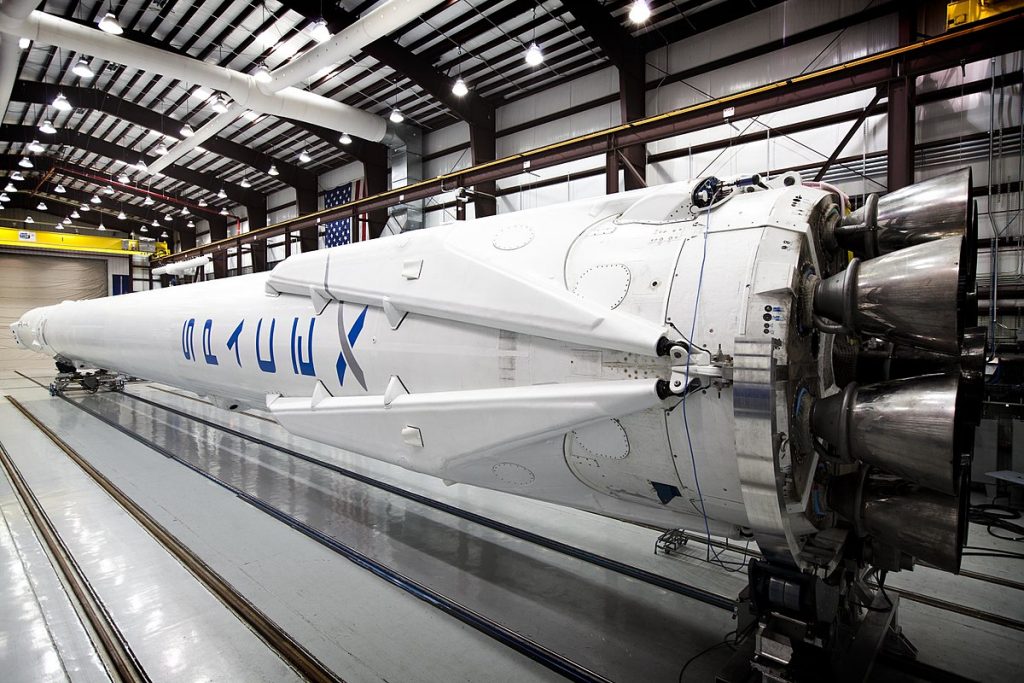


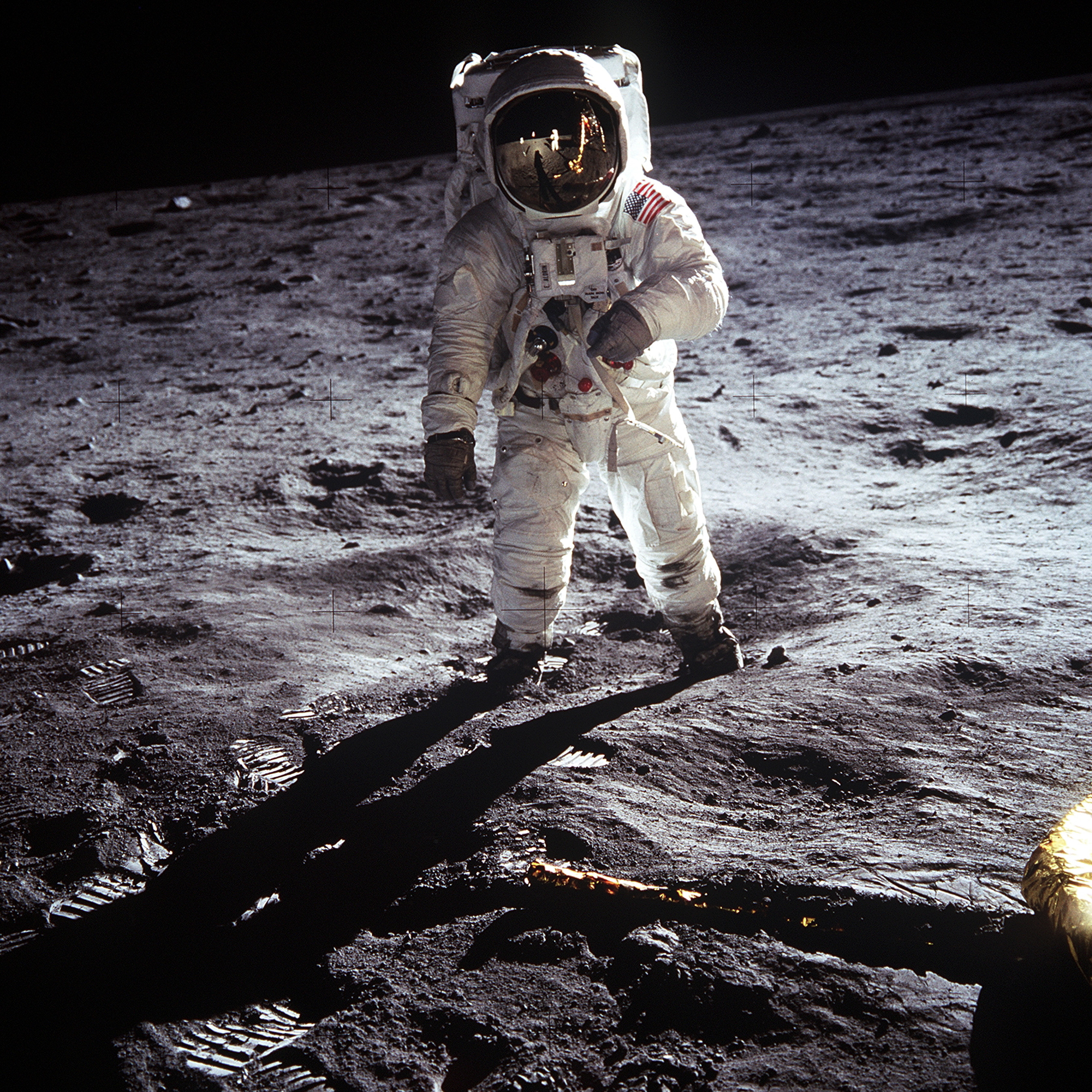
 On July 20, 1969, the United States became the first, and to this day, only country to put a man on the moon. This significant achievement gave the U.S. an incredible technological advantage that was widely expected to result in a moon base followed by a manned mission to Mars and eventually a Mars colony.
What the world got instead was the Vietnam war, the Space Shuttle and an International Space Station. No moon base, no humans on Mars and, yep no Mars colony. Good trade? Um no definitely not. Who the hell decided this anyhow? Well, as history shows, after LBJ danced on John F Kennedy’s grave, he poured a great deal of the country’s resources into the Vietnam war, and the country retired the Apollo program, replacing it with a space shuttle that kept the human race chained to merely orbiting the Earth for decades.
Then, in 2002 along came Elon Musk with his idea of re-inventing space travel and making it far cheaper by re-using rockets; not only was the goal to send people to Mars but to actually colonize it. According to Wikipedia, Congressional testimony by SpaceX in 2017 suggested that the unusual NASA process of “setting only a high-level requirement for cargo transport to the space station [while] leaving the details to industry” had allowed SpaceX to design and develop the Falcon 9 rocket on its own at substantially lower cost. “According to NASA’s own independently verified numbers, SpaceX’s development costs of both the Falcon 1 and Falcon 9 rockets were estimated at approximately US$390 million in total. “In 2011, NASA estimated that it would have cost the agency about US$4 billion to develop a rocket like the Falcon 9 booster based upon NASA’s traditional contracting processes” and that “a more ‘commercial development’ approach might have allowed the agency to pay only US$1.7 billion.”[84]
Fortunately, the world has been inspired, awed and it’s belief in space exploration and travel re-invigorated by the SpaceX team and its achievements, leaving NASA to ponder a future in which, after establishing a clear path to space, is left in the shadow of SpaceX going beyond.
SpaceX Image – made available under the Creative Commons CC0 1.0 Universal Public Domain Dedication