

In September of 2015 the EPA issued a notice of violation to Volkswagen. The EPA had found that Volkswagen had used cheater devices to fool regulators into thinking some of their vehicles met emission regulations, when in fact they had not. It was found that about half a million vehicles in the United States and 11 million Volkswagen cars worldwide, were not meeting emissions requirements because of these cheater devices. Other auto manufacturers involved in cheating devices have expanded to include; BMW, Mercedes, Audi, Porsche and Ford.
Consumers who bought these cars, some-how thinking they were green, were deeply offended and horrified they had been duped into thinking their beautiful diesel had been mutilated into an emission cheating beast. Hello……knock knock, anyone home? If your car was burning petroleum diesel instead of biodiesel, it was already a beast.
The fact is if you want to be sure your diesel emissions are as low as possible, adding biodiesel to your fuel is the way to go. According to the EPA’s Renewable Fuel Standards Program Regulatory Impact Analysis, released in February 2010, biodiesel from soy oil results, on average, in a 57% reduction in greenhouse gases compared to petroleum diesel, and biodiesel produced from waste grease results in an 86% reduction. See chapter 2.6 of the EPA report for more detailed information.
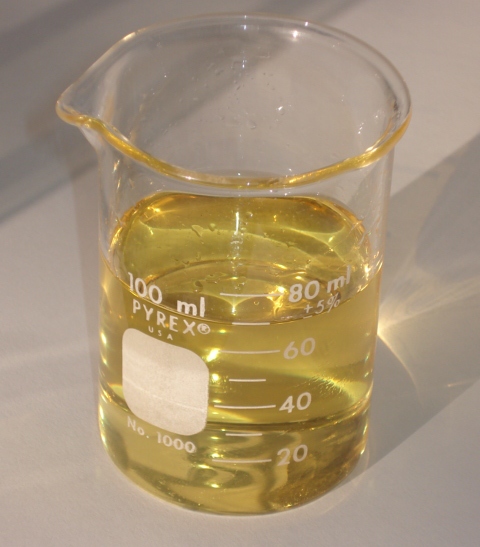
Biodiesel can be made from straight vegetable oils, animal fats/oil, Tallow, waste cooking oil or Algae.
Much of the world uses a system known as the “B” factor to state the amount of biodiesel in any fuel mix:[5]
- 100% biodiesel is referred to as B100
- 20% biodiesel, 80% petrodiesel is labeled B20[1]
- 5% biodiesel, 95% petrodiesel is labeled B5
- 2% biodiesel, 98% petrodiesel is labeled B2
Blends of 20% biodiesel and lower can be used in diesel equipment with no, or only minor modifications,[6] although certain manufacturers do not extend warranty coverage if equipment is damaged by these blends. The B6 to B20 blends are covered by the ASTM D7467 specification.[7] Biodiesel can also be used in its pure form (B100), but may require certain engine modifications to avoid maintenance and performance problems.[8]
As an individual, you have the option of purchasing biodiesel from a retailer, OR you can make it from waste cooking oil yourself. Making biodiesel from waste cooking oil involves a lot of time and effort. Want to know more? Click on this for the video. Before doing any of this, make sure you understand the quantity of biodiesel your vehicle(s) can handle and any modifications needed.
On a more macro scale, biodiesel can offset oil consumption and reduce pollution but there are some considerations. In some cases Biodiesel prices have resulted in farmers planting more food crops for biodiesel production resulting in food shortages and or price spikes. In other cases there has been deforestation to make room for biodiesel crops. Biodiesel production on a very lager scale would require a great deal of land. Obviously biodiesel production from non food sources is best. There has been some very positive work done on generating biodiesel from Algae. Algae can be grown in artificial ponds and does not threaten the food supply. Click this for more info. Source – Wikipedia – under the Creative Commons Attribution-ShareAlike License
Image – By Leandro Maranghetti Lourenço – NDCOM – IQ-UNESP ARARAQUARA (COUNTRY:Brazil CITY: ARARAQUARA-SP), CC BY-SA 3.0, Link