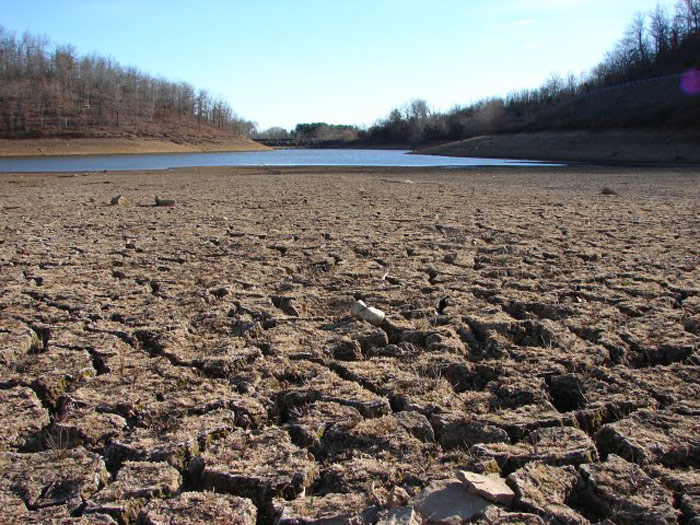


California is in a pretty tough pickle; during the years of 2011 through 2016, drought ravaged the state with the driest conditions since record keeping began.
Once drought sets in, there are calls for the hardest hit areas to begin building desalination plants.
Desalination is basically the removal of salts and minerals from a target substance such as water or soil. Cities that can afford to build desalination plants, get caught in a very difficult catch 22, the city of Santa Barbara is a prime example of this. In the heart of the driest conditions, the city began considering reopening their desalination plant that had been sitting idle since the last drought. Reactivating the plant is a costly and risky endeavor. What happens if the city invests enormous time and money re-opening a desalination plant and then the drought ends?
According to the City of Santa Barbara web page – A Brief History – In the late 80’s, Santa Barbara experienced a water supply crises and decided to build a seawater desalination plant to provide emergency supplies. The plant was completed at a total construction cost of $34 Million and began operation from March to June of 1992. Then, after all that, what do you know? Favorable weather conditions brought plenty of rain, the drought ended and the desalination plant was placed into a standby mode.
Fast forward to July 2015, due to exceptional drought conditions, the Santa Barbara city council voted to re-activate the desalination plant.
The cycle of drought and non drought is enough to cause a great deal of stress for anyone living and working in California. How can a state provide reliable water supplies to its citizens under such variable extremes? Fortunately there is a sustainable solution.
California is blessed with three abundant resources; plenty of sun, a beautiful coastline with access to plenty of seawater and industry with a legendary history of innovation. Put all those resources to work and California has a permanent solution to drought.
Here is how it can work.. there is a technology pioneered by a company called WaterFX that can take irrigation water from within the ground that cannot be used due to unhealthy levels of salt and selenium. A solar thermal process removes the unwanted salt and selenium and the end product is potable fresh water. Since the whole thing is powered by solar, it is not as costly as traditional energy intensive desalination. In addition, instead of the state losing critical fertile tracts of land to retirement, farmland can be utilized for longer periods of time and fresh waterways avoid pollution from run off irrigation.
This system can also be used to desalinate salt water from the ocean. WaterFX systems are modular and portable so they can be placed all along the coast of California. These systems would need to be placed along the coast and plugged into the local piping infrastructure to pump water inland where ever it is needed. To provide an even and reliable supply of water, California would need to build a network of desalination plants both along the coast and inland.
What do you do with the desalination plants when there is no drought? You use them to provide bottled water to consumers. The state could use the revenue from bottled water sales to offset the cost of building and maintenence of the desalination plants. To insure the bottles are not wasted and thrown into landfills, the state could work with a network of universities and industry to make the bottles out of locally sourced plant material and even make the bottles bio-degradable.